A noisy garage door has a way of introducing itself to the whole block. It rattles the living room, wakes the canine, and programs your comings and goings at 6 a.m. You do not need to deal with that. The majority of the smashing, clang, and roar from Residential Garage Doors has details reasons that can be recognized and tamed. I have quieted thousands of doors in homes ranging from 1940s bungalows in Hammond to brand-new builds in St. John, and the pattern holds whenever. A small number of clever upgrades, matched to the door's problem, make the biggest difference.
Why garage door sound takes a trip so aggressively
A garage door is a 150 to 300 pound moving wall surface with metal-on-metal get in touch with factors, an electric motor, and a track that pairs vibration directly into the framework. When anything because system befalls of tune, the sound ends up being more than the amount of its components. Loose fasteners multiply rattles. Dry rollers scrape tracks. A chain drive opener snaps with every start and stop. Unbalanced springtimes compel the opener to stress, which includes motor gripe and gear babble. The framework itself can imitate a drum, particularly if the garage ceiling is unfinished or the door is a non-insulated single skin pan.
Understanding the paths is half the battle. Airborne noise is the swoosh, squeal, and click you hear in the space. Structure-borne sound is the low roll that travels via walls and joists right into your cooking area. You require to take on both.
Find the loudest offenders first
Not every fix belongs on every door. I begin each silencing work with a slow-moving open-and-close while standing inside the garage, eyes level with the tracks, then up on a ladder to pay attention near the torsion tube and opener. The common offenders show up quickly.
Dry or unsealed rollers shriek on the vertical track. Loose joint pins clack as panels damage over the distance. The opener trolley rattles on a metal rail. Hanger bands hum at particular rates. A lower seal that solidified in winter months makes a put at the floor. If you listen to a recurring thunk like a heart beat every few feet, search for a flat-spotted roller or a dinged up track. If the whole door shudders when it begins or quits, suspect equilibrium and opener settings.
A 20 min silencing list you can do today
- Tighten all easily accessible bolts, particularly track brackets, hinge screws, and opener installing screws. A quarter turn can kill half your rattles. Lube the rollers, hinges, and spring coil with a garage door ranked synthetic lube, not basic WD-40. Clean excess to stay clear of grime. Add thin rubber or neoprene pads under opener installing brackets and in between track brackets and wall surface where feasible. Inspect the lower seal and side weatherstripping. If it is broken or tight, plan to replace. It is both a noise and air leak. Check the opener's travel restrictions and downforce. Way too much force knocks the door. Dial it back till the door seals without compressing hard.
These 5 actions cost little bit, and for lots of house owners in Valparaiso or Merrillville, they take a loud door to an acceptable level. If the noise continues, it is time to look at components.
Lubrication that lasts with Midwest seasons
I see 2 lubrication mistakes regularly. First, home owners spray a solvent like conventional WD-40, which momentarily quiets squeaks by cleaning, then leaves components drier than in the past. Second, they overapply, which leaks onto autos and attracts dirt. Utilize a product designed for Garage Door Service, normally a synthetic spray with PTFE or a non-gumming silicone for nylon parts. In winter areas like Cedar Lake and Hobart, select a lubricant rated from about -30 to 120 levels Fahrenheit so it remains slick in February and does not thin to absolutely nothing in July.
Where to apply matters greater than just how much. One short ruptured on each joint knuckle is plenty. For rollers, target at the stem where it enters the wheel, not the track surface area. Tracks ought to be clean and dry. A thin film of lube in the curve can assist, yet hefty lubricant in the tracks develops into grinding paste. On torsion springs over the door, spray across the top of the coil with the door shut, after that run the door to function it in. You will certainly typically listen to the spring peaceful down within 2 cycles.
Reapply twice a year. I time it with daytime conserving adjustments. In high salt environments near Lake Terminal and Whiting, add a fast wipe-down to get rid of residue that triggers corrosion and abrasive noise.
Rollers and hinges, the peaceful workhorses
If your rollers are steel with open bearings, sound is nearly ensured. Nylon rollers with sealed bearings reduced an unexpected quantity of clatter due to the fact that they roll efficiently and do not send as much resonance to the track. A premium 13 sphere secured nylon roller rides silently for several years and is what I advise on the majority of Residential Garage Doors. Budget nylon rollers without bearings are marginally better than steel, yet they put on quick and can get noisier as the center loosens.
Hinges matter as well. Thin, stamped hinges flex and break as the panels verbalize, particularly on wider dual doors. Upgrading to much heavier scale hinges at the center line and third factors decreases babble. If you see elongated screw holes or a hinge that rocks also when tightened, replace it. Use correct lag screws right into audio framing at track braces. A stripped hole develops a clack you will chase after forever if you do not repair the substrate.
When exchanging rollers or hinges, disconnect the opener and clamp the door to keep it from relocating. Work panel by panel with the door closed for safety and security. If you are not comfortable, call a pro. A misstep around a packed torsion system is not worth the risk.
Alignment and balance, the quiet foundation
A well balanced door requires regarding 8 to 12 extra pounds of pressure to move, even if the door weighs 200 pounds. The torsion or expansion springs do the heavy lifting. When balance is off, the opener makes up by functioning harder. That pressure transmits sound via the rail and right into the ceiling. If you pull the emergency launch with the door closed and the door tries to rocket up or drop like a rock, the springtimes are out of tune.
Spring modification is not a do it yourself pastime. Those windings keep harmful power. This is where an experienced service technician makes their charge. In my shop, we check equilibrium as part of any Garage Door Repair service call from Portage to Schererville. We likewise validate the track is plumb and square. Imbalance makes rollers scrub the track wall and groan. A door that rubs on the jamb since the tracks are pinched adds a grinding noise you can really feel in the structure. A couple of millimeters of track modification with a degree treatments that.
Look at the horizontal tracks as well. If they slope downward towards the back greater than an inch or more, the door nose dips as it opens up and the top area bangs through the radius. Correct incline is slight, around a quarter inch per foot, just enough to allow gravity aid the door back. Droopy tracks tend to come from flimsy perforated dangling bands. Which brings us to resonance garage door installation near me control.
Choking off vibration at the source
Your opener probably hangs from the ceiling by steel bands. Those straps act like adjusting forks. Tense the connection and support it at the very same time. I such as unistrut with rubber isolators or angle iron with neoprene washing machines between the bracket and the joist. Reduce long in need of support runs. Include a cross brace if the opener rail twists when the door begins moving.
Where the opener connects to the header, a reinforcement strut throughout the leading section spreads tons and soothes flex. On a door without a strut, the top panel commonly booms like a drum as it draws. A 16 foot door generally benefits from a full width strut. The price is small compared to the improvement.
For the motor system, some Residential Garage Door Openers include factory seclusion feet. If yours does not, aftermarket rubber or sorbothane pads under the feet make a visible distinction. Stay clear of stacking soft foam, which collapses and allows bounce. The objective is strong support with a thin layer that decouples vibration.
Opener options that whisper as opposed to shout
If your chain drive opener seems like a bike with a loose chain on a metal bridge, you are hearing both the chain slap and the air conditioning electric motor's abrupt starts. Modern belt drive openers run much quieter because the belt moistens shock, and DC electric motors ramp up carefully and brake smoothly. A 3/4 HP equivalent DC belt drive opener with soft start and quit cuts regarded sound by half or even more in many garages. Direct drive openers, where the motor relocates along the rail, can be also quieter because there is no long rotating shaft or chain. They often tend to set you back more, and rail size availability for taller doors can be a consideration.
Smart functions do not matter for sound, but high quality does. An affordable belt drive with a lightweight rail still transfers rumble. When we take care of Garage Door Installation in Chesterton or Crown Point, we match the opener to the door weight and elevation, include a one piece rail when feasible, and safeguard it with strong wall mounts. That mix is what makes the difference.
If your existing chain drive is otherwise healthy and balanced, you can frequently quiet it by tensioning the chain effectively, replacing a worn sprocket bushing, and adding rail lubrication where the trolley slides. Do not overtighten the chain. Aim for about a quarter inch of droop at midspan with light finger pressure.
Door building and seals, the audio envelope
A protected steel sandwich door with polyurethane or polystyrene foam in the cavity not just holds temperature level, it damps vibration. Compare that to a slim single skin frying pan door, which oil cans like a cymbal when the opener draws. If noise matters to you and your door schedules for replacement, upgrading the door itself is one of the most remarkable renovation. Property owners in Munster and Valparaiso that switched old pan doors for 2 inch protected models told me they might ultimately run the opener throughout late evening returns without waking youngsters sleeping over the garage.
Do not ignore seals and weatherstripping. A fresh base seal does three work simultaneously. It cushions the touchdown, reduces the put, and keeps air spaces from bring noise. Side and top plastic weatherstripping, adjusted to a light kiss against the door, stops light, drafts, and the whistling that sneaks via spaces. If your door has substantial daytime at the corners, a complete boundary seal package and careful track change make their keep.
On timber doors, loosened panels and delaminating skins rattle ceaselessly. Regluing or adding discreet screws to connect layers together tames the buzz. If the door is in harsh shape in general, it might be smarter to replace, not repair.
Make the space itself much less echoey
Even a quiet door sounds louder in an unfinished garage with bare studs and concrete. Hard parallel surfaces mirror sound. 2 reduced effort modifications assist. First, end up the common wall to your house with 5/8 inch drywall if it is currently subjected, and seal penetrations around pipes and electrical outlets. It is the solitary ideal audio and fire obstacle you can include. Second, install a protected, weatherstripped service door in between the garage and living space. The low-cost hollow core interior door numerous builders make use of is a sieve for noise and fumes.
If you are preparing bigger renovations, batt insulation in the exterior garage wall surfaces and a layer of plywood or drywall soothes the room. Do not consume over ideal studio soundproofing. You desire useful decreases. Every bit of absorption you add lowers reverberation so the continuing to be door and opener sounds do not linger.
Winter truths in Northwest Indiana
Cold thickens oil and stiffens rubber. In January around Hammond or Lake Terminal, I frequently get Garage Door Fixing calls where a door that was great in October currently shrieks or has a hard time. Swap to a chilly ranked lubricant and change weak seals prior to winter bites. Think about a belt drive opener for unheated garages since belts stay quieter than chains in the cold. If your base seal adheres the flooring, a silicone based protectant on the seal reduces adhesion, and a little limit ramp keeps meltwater from pooling at the doorline.
Salt and grit tracked in from the roadway adventure up on the rollers and grind the tracks. A fast regular monthly wipe with a wet dustcloth in winter months pays off with less sound and wear.
When noise indicates trouble
Some sounds get along cautions. A rising screech over weeks indicate rollers losing lubrication or bearings stopping working. A bang like a gunfire, usually learnt through another area, is a torsion spring breaking. Do not run the opener afterwards, and do not try a DIY swap. A balanced click as soon as per turning at the torsion tube can imply a set screw functioning loose. Laid off it can remove the shaft. Grinding near the opener head may be a worn drive equipment inside the housing.
If you are hearing these red flags, quit and arrange Garage Door Repair Near Me as opposed to papering over the sound with lube. In our solution area we see this pattern in Garage Door Repair Work Cedar Lake, Garage Door Repair Portage, and Garage Door Fixing Schererville calls the most during seasonal swings. A short service check out currently avoids bigger failings later.
Costs, payback, and what to do first
You do not need an empty check to earn solitude. Below is just how I pile the upgrades by expense and influence, with regular arrays I see locally.
- Lubricants, rubber isolators, fresh weatherstripping, and minor tightening run 30 to 150 dollars in products. Anticipate a visible decrease in squeaks and slaps. Nylon secured rollers cost 10 to 20 dollars each. A typical 10 roller established lands in the 120 to 200 buck array for components, plus labor if you hire it. The improvement is substantial, often the single greatest change for the money. Reinforcement struts are 40 to 100 dollars per area. One at the top can calm most doors that boom. Opener swap to a DC belt drive usually costs 350 to 700 dollars for the device, plus Garage Door Setup labor. For households with bedrooms over the garage, this is often the move that brings real relief. Full door replacement with a shielded steel sandwich door begins around 1,100 to 1,800 dollars mounted for a single door, much more for increases and costs finishes. The noise decrease is extensive together with power savings.
You will recover some of the financial investment in less damage. A quiet, well balanced system emphasizes parts much less, so you avoid very early failures that cause emergency Garage Door Repair.
DIY or call a pro
If you are handy and safety conscious, you can manage cleansing, tightening, lubrication, seal substitute, and also exchanging most rollers on the sides. Leave spring work, cable replacements, track rehangs, and complex opener diagnostics to experienced techs. When you look Garage Door Companies Near Me, seek companies that point out well balanced doors and sound reduction as part of their Garage Door Solution, not simply break-fix. Ask whether they utilize secured nylon rollers, add struts when suitable, and hang openers with strong angle or unistrut with isolation.
In our location we routinely take care of Garage Door Repair service Crown Factor, Garage Door Repair Service Hobart, Garage Door Repair Valparaiso, and Garage Door Repair service Whiting with quieting as an objective, not an afterthought. Homeowners observe the difference today, not simply in noise, however in just how smoothly the door moves.
A house owner's success tale from Crown Point
A family members in a 2 tale Crown Point home called since their teenager's room rested over the garage and every early morning the 6 a.m. Separation seemed like a train listed below the floor. The door was a 16 foot non-insulated frying pan with dry steel rollers, an older chain drive opener, and long, saggy hanger straps. We assaulted the most significant wrongdoers first.
We installed closed nylon rollers, added a top area reinforcement strut, made even and tightened up the tracks, and rehung the opener with angle iron and rubber isolators. We cleaned the tracks, lubricated joints and springs with a cool rated synthetic, and exchanged the bottom seal. On day 2, we replaced the chain drive with a DC belt drive opener to reduce the starting kick.
Before we started, a decibel meter at the bedroom floor checked out mid 60s during activity, regarding the audio of regular conversation directly below you. After, it was in the reduced 50s with a gentle whoosh, extra like a dishwashing machine in the following area. The family's remark a week later on claimed everything. They still listened to the door, but it no more felt like it lived under the bed.
Five step activity plan to make your door silent this week
- Give the door a mindful listen while running, and note specifically where and when the sound peaks. Tighten, tidy, and lubricate as explained, after that reassess. Inexpensive, fast, and usually effective. Upgrade to sealed nylon rollers and include a leading strut if your door flexes. These modifications pay outsized dividends. Address vibration with far better opener hangers and seclusion. Change opener force and traveling so it does not slam. If sound remains invasive, buy a DC belt drive opener or think about a shielded door when the budget plan allows.
Pitfalls that keep doors noisy
A couple of missteps reverse great. Do not lubricate the tracks heavily, it develops grinding paste. Do not overtighten the opener chain, it moves resonance into the rail and equipments. Do not disregard door equilibrium, the opener is not a forklift. Do not hang an opener from long, thin perforated bands without supporting, you are developing a noise amplifier. Do not think a new opener alone will certainly fix whatever if the door itself is rattly and flimsy. Suit the option to the bottleneck.
When solitude is the objective, details win
Quieting a garage door is not a single magic trick. It is a small stack of wise choices and clean execution. Beginning with the simple victories and listen to what modifications. If you are in Munster or Hammond and the door still announces itself like a marching band, bring in a technician who deals with quiet as a deliverable. Whether you pick a couple of targeted components or a complete upgrade, a calmer garage makes life much better. The first morning you struck the switch and listen to just a smooth glide, you will certainly wonder why you waited so long.
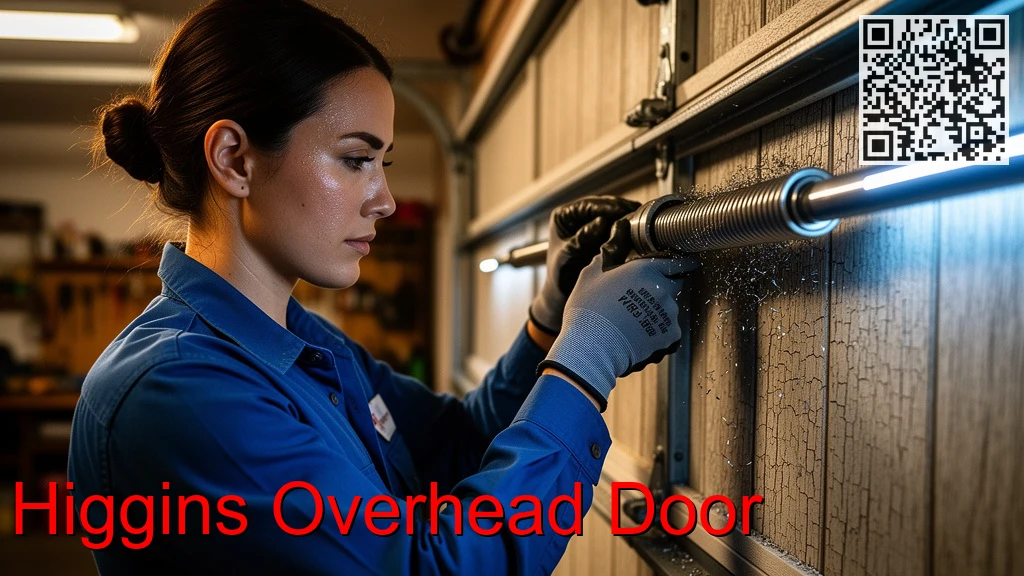
Higgins Overhead Door 1305 Erie Ct, Crown Point, IN 46307 +12196632231
 Ask ChatGPT
 Ask Grok
 Ask Perplexity
 Ask Claude
 Ask Google AI
 Ask You